
Exploring the historical evolution of gambling through the ages
 admin
adminExploring the historical evolution of gambling through the ages
Origins of Gambling: A Journey Back in Time
The origins of gambling can be traced back to ancient civilizations, where games of chance played a significant role in social activities. Archaeological findings reveal that dice made from bones were used as early as 3000 BC in Mesopotamia. This practice likely served both as entertainment and a means of divination, reflecting the early human desire to engage with chance and fate. The earliest documented forms of betting are found in ancient China, where tiles dating back to around 2300 BC were discovered, likely used in a game of chance similar to a lottery. Modern players can enhance their experience by visiting https://enjoy96-australia.com/promo-code/ for exclusive bonuses.
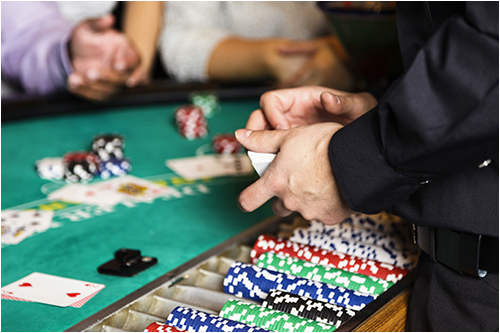
As societies evolved, so did the forms of gambling. Ancient Greeks and Romans incorporated various gambling activities into their cultural festivities, with events such as the Olympic Games offering opportunities for betting on athletic contests. This not only heightened the excitement of the games but also integrated gambling into daily life. The Romans even established laws regarding gambling to control the growing popularity, indicating that gambling had become a significant aspect of their culture.
By the Middle Ages, gambling had spread throughout Europe, taking various forms. Card games became prominent, with the invention of playing cards in the 14th century. These games often involved wagering, which established a social fabric where gambling was not only a pastime but also a way to display wealth and status. The church’s stance on gambling was varied; while some viewed it as sinful, others acknowledged its role in community bonding, showcasing the complex relationship society had with gambling.
The Renaissance and the Rise of Organized Gambling
The Renaissance marked a pivotal moment in the history of gambling, particularly in Europe, as the era saw the emergence of organized gambling establishments. The first official gambling house, or casino, opened in Venice in 1638, offering a regulated space for various games of chance. This innovation transformed gambling from informal street betting into a structured, social activity. The concept of a casino attracted wealthy individuals, leading to a rise in gambling’s popularity among the elite.
This period also saw the introduction of new games and betting formats. The game of baccarat emerged during this time, along with various forms of poker. The establishment of rules and the standardization of games contributed to the growth of gambling as an industry. The influence of literature and art during the Renaissance further romanticized gambling, creating a perception of glamour and sophistication around casino culture.
As gambling grew in popularity, so did the debate surrounding its morality. Various governments began to take notice, leading to regulations and taxes on gambling. The rise of organized gambling also prompted discussions about addiction and the social implications of betting, marking the beginning of a societal reckoning with gambling’s potential consequences. The blend of excitement, risk, and potential wealth made gambling an enduring activity well into the modern age.
The 19th Century: The Birth of Modern Gambling
The 19th century heralded significant changes in gambling with the rise of new technologies and the expansion of railroads, which made travel to gambling hotspots easier than ever. The introduction of the betting exchange, where individuals could place wagers against each other rather than against a bookmaker, revolutionized how people engaged with betting. This shift allowed for greater flexibility and fairness in odds, appealing to a broader audience.
During this time, the establishment of lotteries gained momentum across Europe and America, providing a way for governments to raise funds for public projects. The public’s acceptance of lotteries contributed to a shift in perception regarding gambling, as it began to be viewed not only as entertainment but also as a potential source of revenue for societal good. This period also witnessed the introduction of comprehensive regulations, shaping modern gambling practices and protecting consumers.
The expansion of gaming options during the 19th century also saw the birth of iconic games such as poker, which became widely popular due to its strategic elements and social dynamics. The Gold Rush in the United States further fueled the gambling craze, with saloons and makeshift gambling halls springing up in burgeoning towns. This era firmly established gambling as a key component of American culture, intertwining it with the narratives of adventure, risk-taking, and prosperity.
The 20th Century: Technology and Globalization of Gambling
The 20th century witnessed an explosion of innovation that fundamentally changed the gambling landscape. The advent of technology brought about the introduction of electronic gaming machines, popularly known as slot machines, which became staples in casinos. These machines, driven by random number generators, allowed players to engage in quick, entertaining gameplay. The rise of Las Vegas as a gambling mecca epitomized the blending of entertainment with gambling, attracting millions of visitors each year.
Television also played a crucial role in popularizing gambling. Game shows and televised poker tournaments introduced millions to the excitement of wagering, generating a mainstream acceptance of gambling. This era also saw the establishment of major sports betting systems, allowing individuals to wager on their favorite sports teams legally. The introduction of online betting in the late 1990s marked a pivotal shift, as it opened up gambling to a global audience, allowing players to participate from the comfort of their homes.
As gambling continued to evolve, regulatory measures became increasingly important. The emergence of online casinos led to a need for stringent laws to ensure fairness and security for players. Discussions around responsible gambling practices began to gain traction, highlighting the importance of protecting individuals from the potential risks associated with gambling addiction. This dialogue around regulation and responsible gambling set the stage for the future of the industry, signaling a transformation in how gambling was perceived socially and legally.

Enjoy96: Your Guide to Modern Gambling
In the contemporary landscape of gambling, platforms like Enjoy96 have become essential for players seeking the best opportunities and information. Specializing in providing exclusive promo codes and bonuses tailored for Australian players, Enjoy96 aims to enhance the gaming experience through easy navigation and comprehensive guides. With a commitment to delivering the latest offers, the platform helps users maximize their betting experiences on pokies and sports events.
Enjoy96 not only features a plethora of gaming promotions but also equips users with step-by-step activation instructions to ensure a seamless experience. Whether you are a novice or a seasoned player, the platform is designed to help you leverage bonuses effectively, thereby enhancing your chances of winning. Regular updates ensure that players are always informed about the latest promotions, allowing them to make informed decisions and optimize their gameplay.
As the gambling industry continues to evolve, Enjoy96 stands out as a valuable resource, merging technology with user needs. With a focus on enhancing the overall gaming experience, the platform offers an engaging way to navigate the complex world of online gambling, reflecting the historical evolution of this age-old pastime into a modern digital format.